10 Games Like Warframe for Co-op and Progression
Find 10 games like Warframe with loot-driven progression, flexible builds, sci-fi combat, fast movement, and solo or cooperative play.
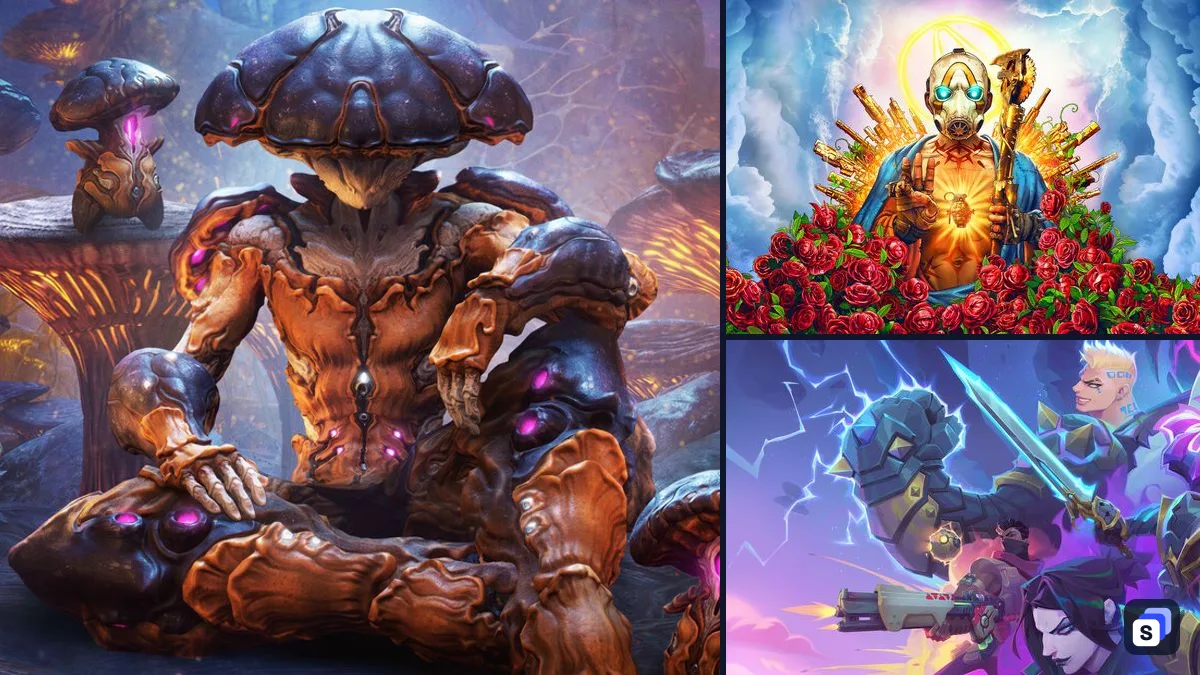
Warframe combines third-person shooting, character-based powers, equipment progression, fast movement, and missions that work alone or in online co-op. These 10 alternatives preserve different parts of that appeal, with Wayfinder as the closest all-round pick because its heroes, powers, loot, exploration, and cooperative action cover several of the same priorities.
What makes Warframe worth replacing
A useful Warframe alternative needs more than a science-fiction setting: it should provide a concrete reason to repeat combat, such as weapons to collect, builds to refine, heroes to develop, or coordinated missions to master. The picks below emphasize at least two of those qualities while changing the perspective, pace, setting, or consequences of failure.
The picks at a glance
| Game | What it shares with Warframe | Main difference | Modes |
|---|---|---|---|
| Borderlands 3 | Weapon loot, character builds, and co-op shooting | First-person combat and four fixed Vault Hunters | Single-player, co-op, online co-op, multiplayer, LAN co-op |
| Wayfinder | Third-person heroes, powers, loot, and co-op exploration | Customizable adventures replace a massively multiplayer structure | Single-player, co-op, online co-op, multiplayer |
| HELLDIVERS 2 | Third-person sci-fi missions and squad combat | Team coordination and extraction matter more than character builds | Co-op, online co-op, multiplayer |
| Warhammer 40,000: Space Marine 2 | Third-person sci-fi action, abilities, and PvE | Tyranid swarm battles mix shooting with brutal melee combat | Single-player, co-op, online co-op, multiplayer, PvP, online PvP |
| Gunfire Reborn | Heroes, weapons, abilities, and repeatable co-op runs | Procedural first-person roguelite stages reset each run | Single-player, co-op, online co-op, multiplayer |
| Monster Hunter: World | Gear progression, character customization, and co-op | Progress revolves around tracking monsters and crafting from hunts | Single-player, co-op, multiplayer |
| Warhammer 40,000: Inquisitor - Martyr | Dark sci-fi missions, classes, loot, and progression | Isometric combat replaces third-person shooting | Single-player, co-op, online co-op, multiplayer, PvP, online PvP |
| Path of Exile 2 | Deep builds, loot, action combat, and co-op | Isometric dark fantasy with more demanding build planning | Single-player, co-op, online co-op, multiplayer |
| Titanfall 2 | Futuristic weapons, exceptional mobility, and customization | Pilot-and-Titan combat has little emphasis on loot collection | Single-player, multiplayer, PvP, online PvP |
| The Forever Winter | Third-person sci-fi shooting, loot, and squad play | Extraction and survival under giant war machines raise the risk | Single-player, co-op, online co-op, multiplayer |
Borderlands 3
Borderlands 3 is a first-person shooter RPG built around four Vault Hunters, varied weapons, and battles across multiple worlds. Its defining system is the constant flow of guns, which lets equipment drops reshape a build rather than merely increase a number.
That weapon chase resembles Warframe’s drive to expand and improve an arsenal, while online co-op supports the same urge to clear combat-heavy content with friends. The major change is perspective and structure: Borderlands 3 uses first-person gunplay and a directed adventure instead of agile third-person missions built around different Warframes. It fits players who value shooting, loot, and ability combinations more than parkour or freely switching between a large roster of playable frames.
Wayfinder
A roster of heroes sits at the center of Wayfinder, a third-person cooperative action RPG about pushing back a hostile force. Each Wayfinder has powers that support a chosen playstyle, while loot, dungeon crawling, and exploration provide the reasons to keep changing a loadout.
The hero selection, direct combat, and character customization make this the broadest mechanical match for Warframe in the list. Wayfinder differs by letting players directly shape the adventures they enter, resulting in a more bounded co-op structure rather than Warframe’s wider online ecosystem. It is the natural starting point for players who want recognizable roles and powers without giving up solo access, exploration, or sessions with friends.
HELLDIVERS 2
HELLDIVERS 2 sends squads into hostile science-fiction battlefields for fast third-person missions. The central pressure comes from coordinated PvE combat, where a team must survive enemy forces and complete objectives amid deliberately chaotic firefights.
Like Warframe, it turns repeated missions against large groups of enemies into a social action game, and both reward learning how a squad’s tools work together. HELLDIVERS 2 places much less weight on collecting characters or constructing elaborate individual builds; moment-to-moment cooperation carries the experience instead. That makes it a sharper fit for groups that enjoy Warframe’s hectic missions but would trade long-term frame development for concentrated squad tactics and a purely multiplayer focus.
Warhammer 40,000: Space Marine 2
Relentless Tyranid swarms define Warhammer 40,000: Space Marine 2, a third-person action game that combines heavy firearms, close combat, and deadly abilities. Its Space Marine power fantasy is expressed through direct crowd-clearing force rather than Warframe’s lighter movement.
The shared appeal lies in science-fiction PvE, visually distinct warriors, and the switch between weapons and powers while fighting dense enemy groups. Space Marine 2 separates itself through weightier melee combat and a battlefront shaped by the Imperium’s war against the Tyranids. Solo play, cooperative battles, and competitive modes give it several routes, but players mainly seeking a large loot economy may find its focused swarm combat more important than collection.
Gunfire Reborn
Procedurally generated levels give Gunfire Reborn a different route to replayability. This first-person adventure combines heroes with individual abilities, varied weapons, RPG development, and roguelite runs that can be attempted alone or in four-player co-op.
Its heroes and build combinations echo the pleasure of pairing a Warframe’s powers with the right weapons. The crucial difference is that random stages and run-based progression compress experimentation into shorter attempts, so an unsuccessful build does not become a permanent commitment. Gunfire Reborn works for players who enjoy testing synergies and adapting to what drops, especially when Warframe’s broader collection and persistent progression feel too sprawling.
Monster Hunter: World
Monster Hunter: World turns progression into a sequence of hunts against large creatures across connected ecosystems. Tracking a target, learning its behavior, and using the resulting materials to craft equipment create a clear relationship between combat and the next loadout.
That gear chase captures Warframe’s satisfaction of earning the tools for stronger builds, and cooperative play lets a group pursue the same target together. Instead of clearing crowds with guns and powers, however, Monster Hunter: World asks for deliberate positioning and knowledge of an individual monster. It rewards players who want the grind to culminate in demanding boss-like encounters, with each crafted weapon or armor decision pointing toward another specific hunt.
Warhammer 40,000: Inquisitor - Martyr
Set in the Chaos-infested Caligari Sector, Warhammer 40,000: Inquisitor - Martyr is an isometric action RPG about agents of the Inquisition purging enemies. Multiple classes, equipment, and repeatable combat missions support the process of turning a chosen Inquisitor into a specialized fighter.
Its dark science-fiction setting, mission format, loot, and class progression align with Warframe’s long-term power growth. The isometric camera and hack-and-slash combat demand a different reading of the battlefield, shifting attention from aiming and acrobatics toward positioning and ability use. With solo, co-op, and competitive modes, it suits players who want a grim setting and build development but do not need Warframe’s third-person movement.
Path of Exile 2
In Early Access, Path of Exile 2 is an isometric action RPG set in Wraeclast, where spreading corruption drives a dark campaign. Loot, character development, dungeon exploration, and difficult encounters create a system in which build choices determine how effectively a character survives.
Its closest connection to Warframe is deep customization: both games invite players to discover interactions between equipment and abilities, then refine those relationships through repeated combat. Path of Exile 2 replaces futuristic shooting with dark-fantasy hack-and-slash action and puts heavier emphasis on planning a single character. Up to six-player co-op also permits larger groups than several picks here, making it useful for theorycrafters who want complexity to be the main event.
Titanfall 2
Wall-running pilots and controllable Titans give Titanfall 2 its two contrasting forms of combat. On foot, pilots cross futuristic battlefields at speed; inside a Titan, heavier weapons and armor change the scale and rhythm of each engagement.
The pilot movement is the clearest alternative here for anyone who values Warframe’s mobility, while futuristic weapons preserve the immediate shooter connection. Titanfall 2 does not offer the same loot-driven progression or cooperative mission focus, separating its single-player campaign from competitive multiplayer. It is therefore the better match for movement specialists who want agility and customization in a tighter shooter, not collectors seeking another long equipment grind.
The Forever Winter
In Early Access, The Forever Winter is a tactical third-person shooter set beneath gargantuan war machines in an endless dystopian conflict. Squads loot the dead while facing AI automata and cybernetically enhanced soldiers, making survival and extraction more important than dominating every battle.
The science-fiction weapons, PvE threats, loot, and online co-op overlap with Warframe’s basic ingredients. Their effect is very different: The Forever Winter uses those systems to create danger and scarcity, so entering a battlefield carries more tension than repeating a power-focused Warframe mission. It fits squads that want a harsher tactical test, while its single-player option leaves room for cautious solo expeditions into the same machinery-filled war zone.
How we chose these games
Each pick shares several defining parts of Warframe, such as loot-driven advancement, character or class customization, science-fiction combat, third-person shooting, cooperative missions, or fast movement. The final group also had to offer a clear difference that changes play, from Monster Hunter: World’s targeted crafting to Titanfall 2’s pilot movement and The Forever Winter’s extraction pressure.
Questions
What game is most like Warframe?
Wayfinder is the closest overall match here because it combines third-person action, selectable heroes, customizable powers, loot, exploration, and cooperative play. Its adventures provide a more contained alternative to Warframe's online mission structure.
Which game like Warframe has the best loot focus?
Borderlands 3 puts the strongest emphasis on collecting guns and shaping character builds around them. Path of Exile 2 offers a denser option for players who care more about complex item and ability combinations.
Are there games like Warframe that can be played solo?
Yes, Borderlands 3, Wayfinder, Gunfire Reborn, Monster Hunter: World, Warhammer 40,000: Inquisitor - Martyr, Path of Exile 2, Titanfall 2, and The Forever Winter all support single-player. Massed co-op action is still central to several of them.
Which Warframe alternative focuses on fast movement?
Titanfall 2 is the movement-focused option because its pilots use wall-running and fight alongside Titans. It replaces Warframe's loot grind with a more direct shooter campaign and competitive multiplayer.

Guides written and checked by the SuperDuperBundle team against our own price data and the stores' published policies.